Russian fuel infrastructure.Data. Map. Analysis.
A unified database of events at the facilities of storage and transportation of petroleum products with reference to locality, chronology and sources.
Explore objects and events on the map
Access detailed profiles of refineries, oil depots and terminals. Analyse object characteristics, event history and open-source confirmations in a single interface.
Interactive map
Filters, search and quick navigation across facilities
Facility cards
Capacity, status, distance, owner, fuel type
Incident history
Timeline of strikes and other events
OSINT verification
Sources, satellite imagery, publications and evidence
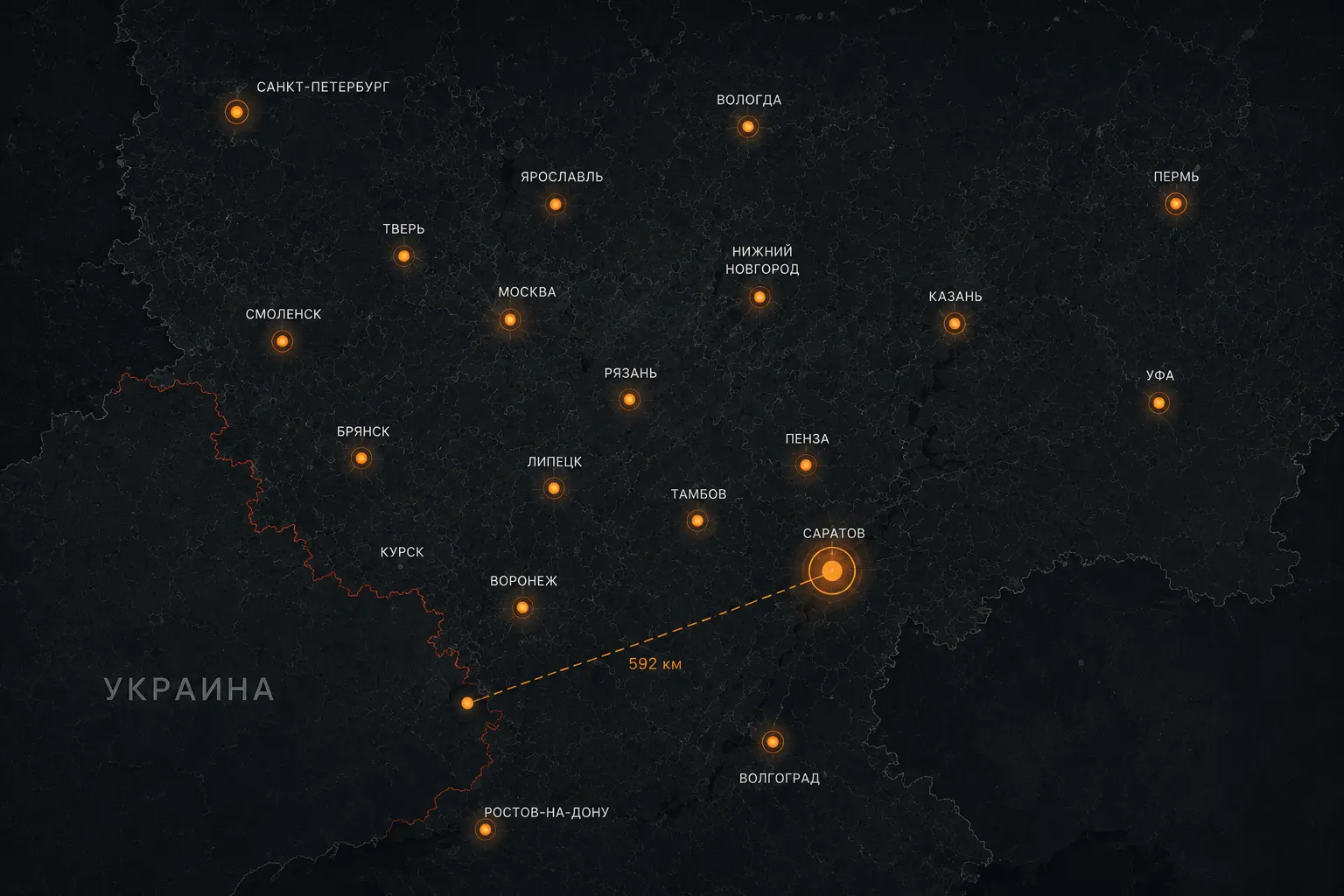
Top 5 facilities by incident count
Ranking of refineries, oil depots, and terminals by recorded incidents (strikes, fires) over the full monitoring period.
- 01offline
Ilsky Refinery
Refinery·Krasnodar Krai
- Strikes
- 12
- Distance
- 366 km
- Capacity
- 6.6 Mt/yr
- 02offline
Saratov Refinery
Refinery·Saratov Oblast
- Strikes
- 12
- Distance
- 592 km
- Capacity
- 7 Mt/yr
- 03reduced capacity
Ufa Refinery (Group)
Refinery·Bashkortostan
- Strikes
- 11
- Distance
- 1,331 km
- Capacity
- 24 Mt/yr
- 04reduced capacity
Afipsky Refinery
Refinery·Krasnodar Krai
- Strikes
- 10
- Distance
- 375 km
- Capacity
- 6.3 Mt/yr
- 05offline
Ryazan Refinery
Refinery·Ryazan Oblast
- Strikes
- 9
- Distance
- 468 km
- Capacity
- 17.1 Mt/yr
Full facility catalog
All 113 facilities in the monitoring database
A transparent approach to data
The platform is built on open sources, verifiable data and consistent evaluation criteria for all facilities.
Verification
Each event is checked against independent sources before being added to the database.
Impact assessment
Analytics are built on open facility data and enable assessment of the potential impact of incidents on infrastructure.
Neutrality
The project records facts and consequences of events without making political assessments or attributions.